
This post goes out to all my fellow warriors dealing with disabilities, and long term illnesses. I’m writing from my own experience and this is in no way medical advice.
This World Heart Rhythm Week I’m sharing my life with arrythmia. I have Focal Atrial Tachycardia, a benign form of Supraventricular Tachycardia (SVT). In my case this is something I was born with, an electrical quirk in the heart’s circuit that happened in the womb.
My symptoms have always been slightly atypical as the focus (an area in my heart that acts like a second pacemaker) is on my left side. The main problems it caused in my childhood were exercise intolerance and fatigue. Rarely I feel palpitations. My heart can beat at up to 300 beats per minute at rest (the norm is 60-100 bpm). It’s like your heart decides to run a marathon while the rest of you is chilling out.
The fatigue that accompanies this condition is the most frustrating part for me. I have between 1 and 5 episodes most days, that thankfully they don’t last more than 20minutes. I have them even when I’m asleep, something that really confuses fitness trackers!
The journey to diagnosis was a long one for me, it took over 20 years to finally find out why exercise was so much harder and my energy levels lower. The same flu that would put my peers in bed for three days would leave me bedridden for a month.
I was hospitalised many times in my late teens and early twenties, generally blood tests were done (all normal), blood pressure was checked (always low) and ever-changing staff decided to redo tests that had already been done (always normal).
Despite recurrent fainting I was only twice offered a 12 lead ECG for 30 seconds each time. Nowadays, longer ECGs in hospitals and ambulance ECG monitoring is now routine in the NHS. It never occurred to me that my heart could be involved and neurology dealt with me for several years before discharging me with vasovagal syncope in 2014.
A big health drive after discharge made it even more obvious that something wasn’t quite right. The more I exercised the more breathless I got. In fitness classes people would ask what was wrong with me as even after years of regular gym going I couldn’t keep up with the beginners. My GP diagnosed exercise induced asthma and various drugs were started to stabilise it.
After visiting the Chest Clinic to get to the bottom of my numerous chest infections I was told my lungs showed no inflammation. After speaking with a Respiratory Consultant I had every pulmonary test going. Despite my low peak flow and borderline FEV extensive CT scans of my lungs showed no evidence of asthma.
The next time I rang the GP to explain my chest pain was waking me a night (following a year in which I’d had 21 infections that needed treatment) he recommended the anxiety clinic.
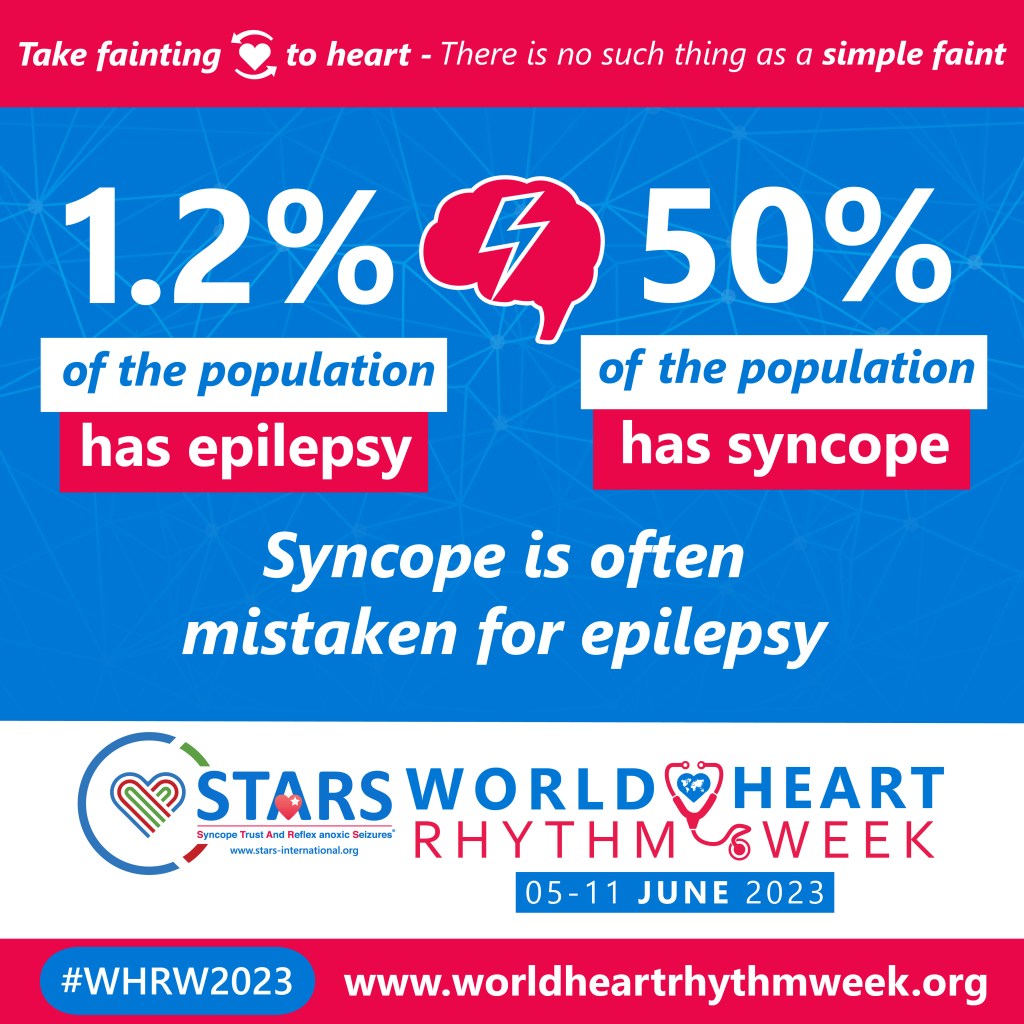
Over the years I’ve tried counselling, alternative therapies and some extreme lifestyle changes to manage my constant fatigue. By the time I was referred to the anxiety clinic so many tests had been done that came back normal (epilepsy, asthma, allergies, coeliac disease, IBD) that I really thought it was all in my head.
Speaking to other women I’ve met with arrythmia, it is very common for female patients to be referred first to the anxiety clinic while male patients are first referred to ambulatory monitoring (longer ECG testing).
Luckily, the psychiatrist who assessed me for anxiety was uncomfortable with some of my symptoms. She recommended my referral to cardiology.
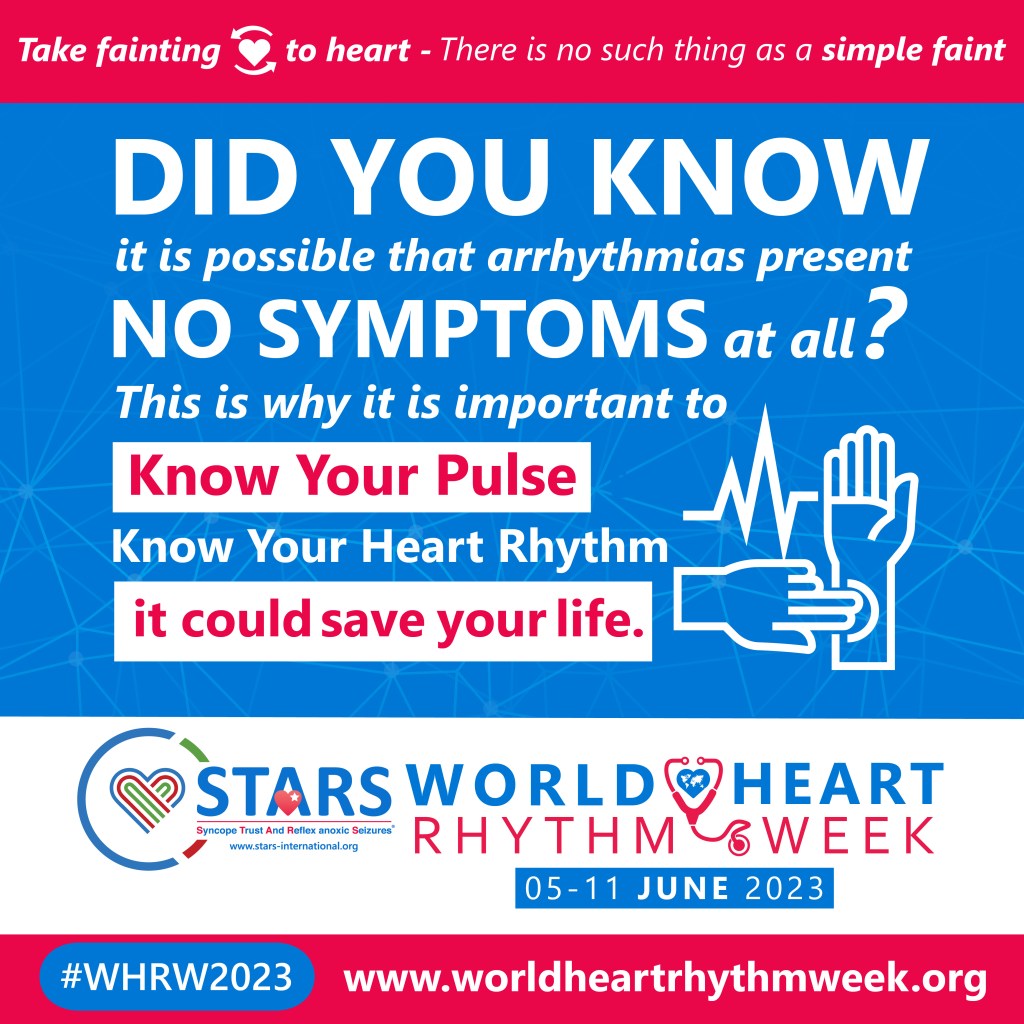
Once the right tests were done the problem showed up quickly. During my 24 hour ambulatory monitoring I had two daytime episodes, one asymptomatic. The exercise stress test took me up to my maximum heart rate simply by gentle walking, the 15 minutes recovery caught 5 episodes on ECG.
It is hard to explain the relief at finally being diagnosed. Over the years I’ve pushed my body to breaking point many times after being told everything was normal.
My take away from this journey has been learning to trust my instincts. If you feel that something is wrong keep pushing for answers. There are biases in the medical world and they can make the fight to get a diagnosis that much harder.
Nowadays, I have an amazing medical team who help me manage my condition. The diagnosis has also made my relationships with others easier (I don’t have to pretend I can keep up!) and improved my relationship with myself. I’ve learned to pace myself.
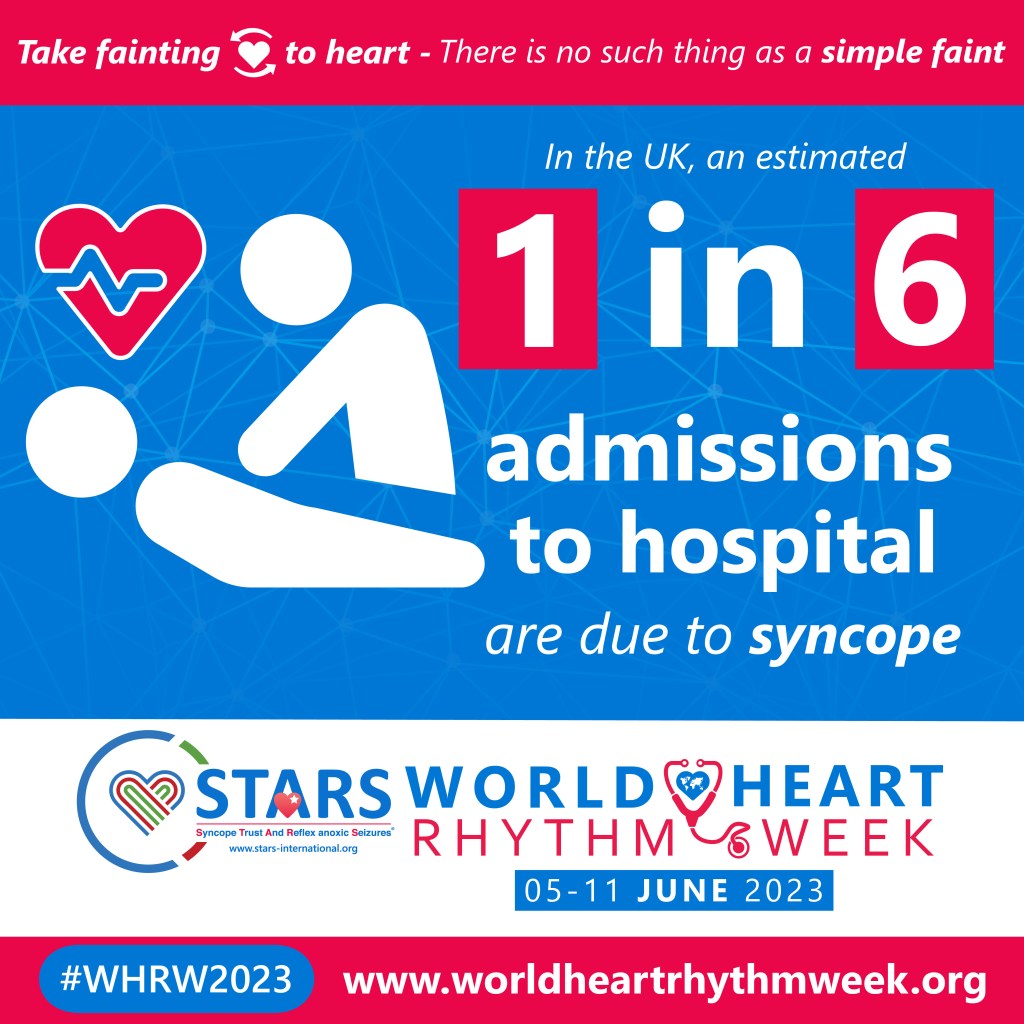
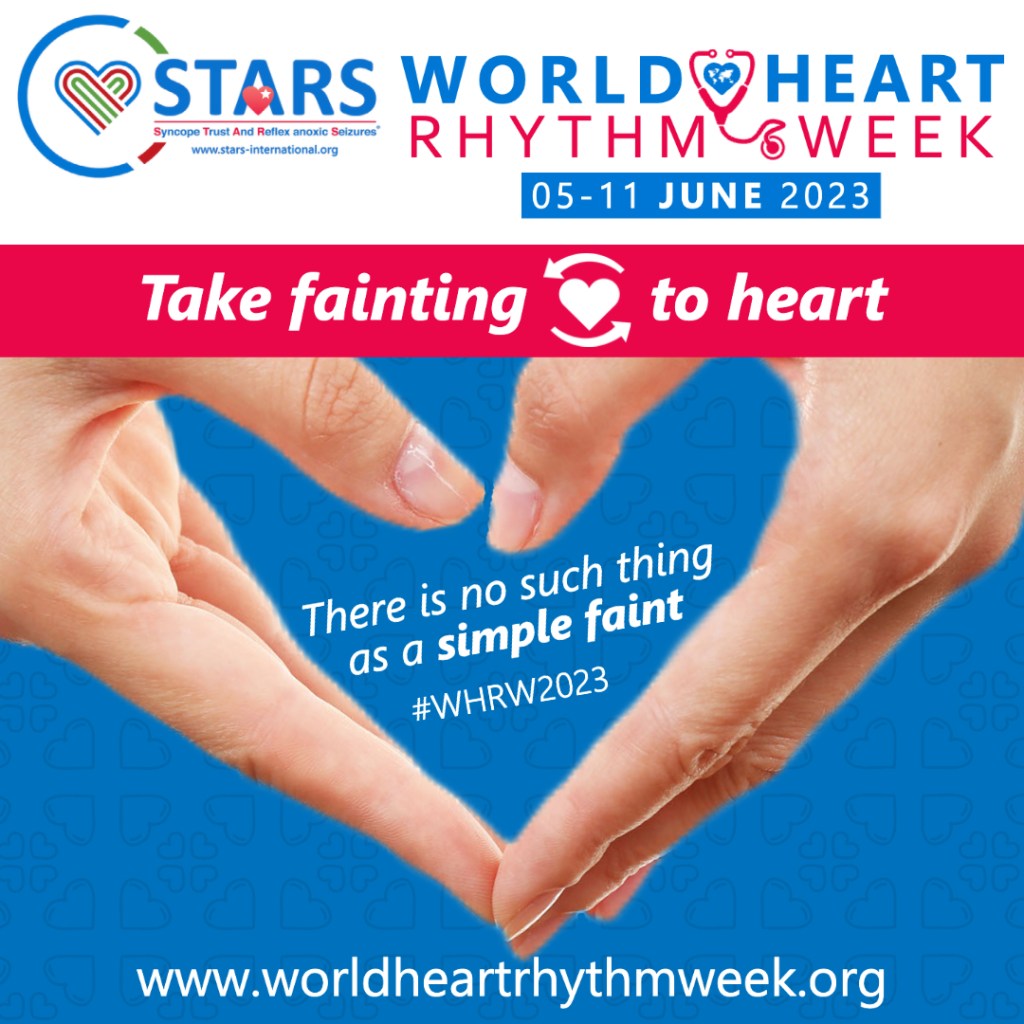
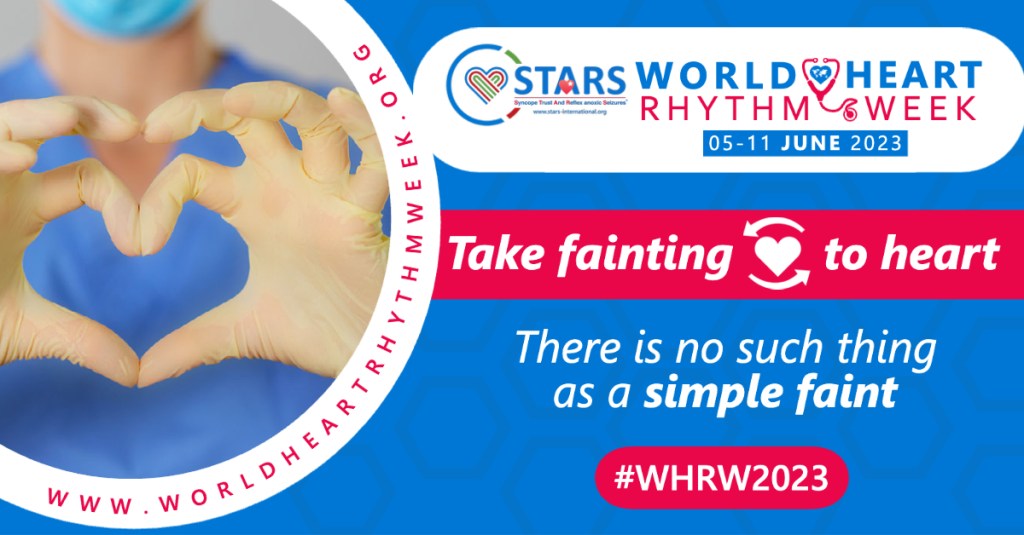
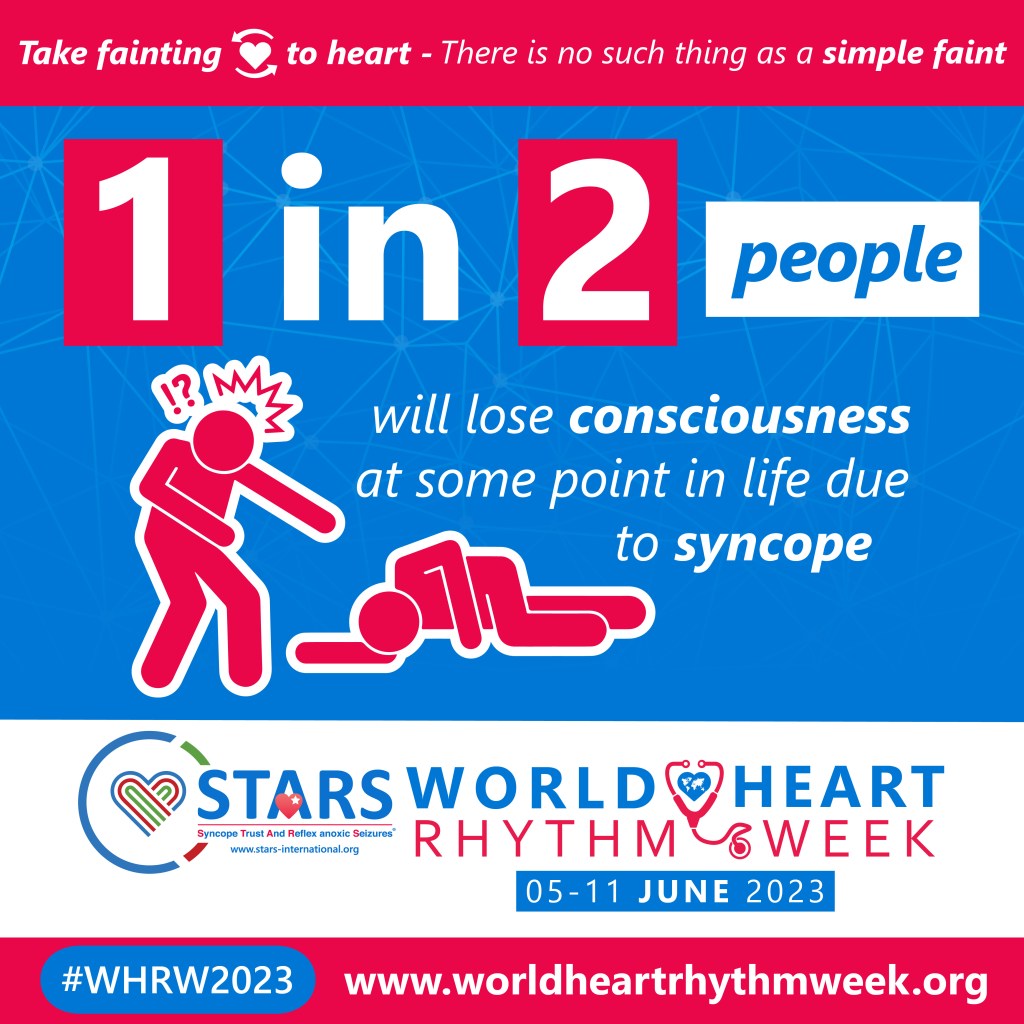
Luckily for me, my arrythmia is benign. For some people arrythmia can be deadly. Sometimes fainting is the only sign that the heart’s electrics are not working. This World Health Rhythm week you can help raise awareness by sharing STARS message on social media.
Social Media Toolkit – STARS – UK (heartrhythmalliance.org)
CHARLIE KIRKHAM NEWSLETTER
Sign up for free and be the first to get notified about updates.




 Charlie Kirkham
Leave a comment