Guest post by Megan Peters.
Have you ever wondered what it would be like to tour a museum that’s closed to the public? To step into quiet galleries filled with an atmosphere of anticipation as they’re readied for the next big opening?
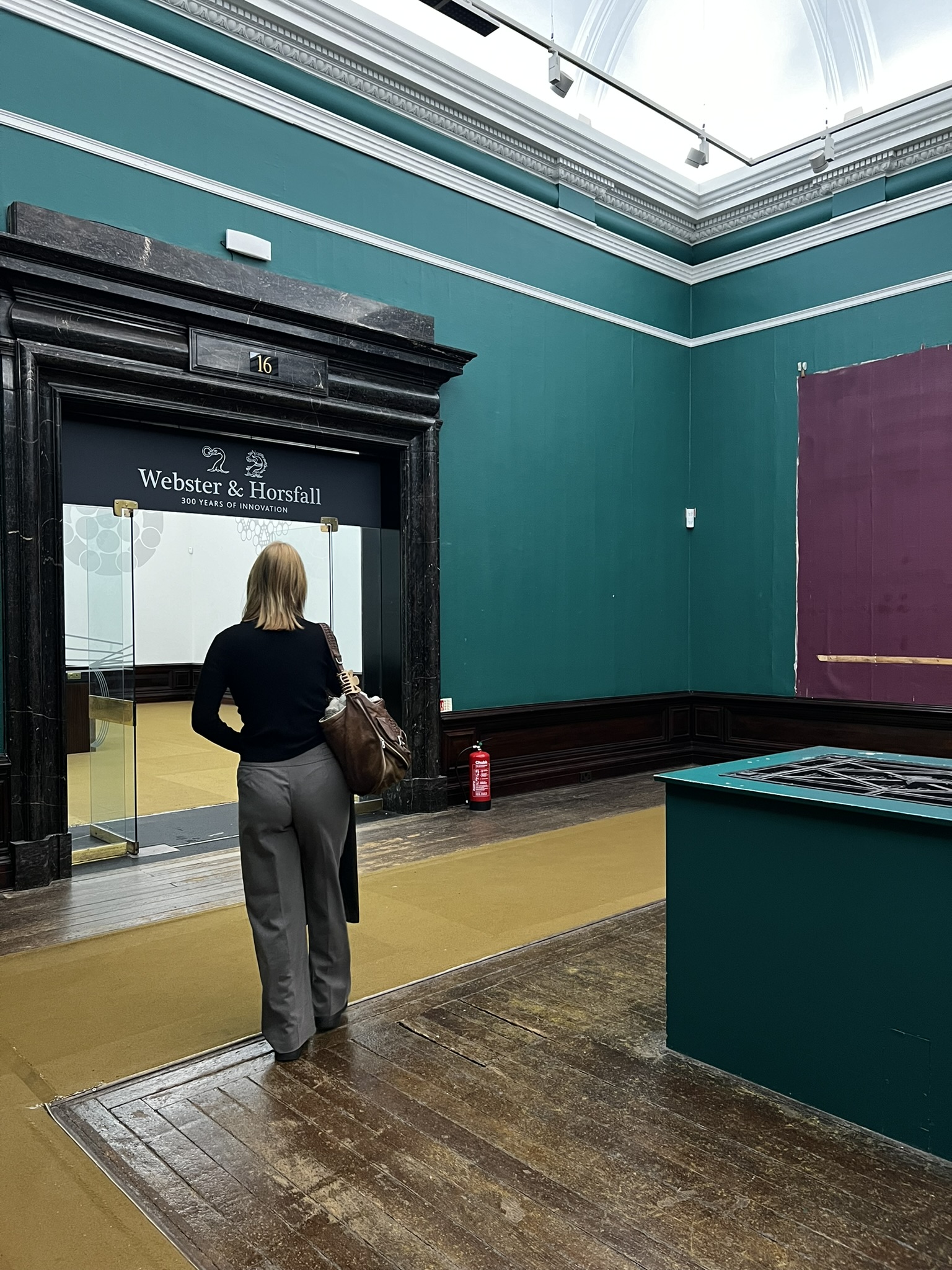
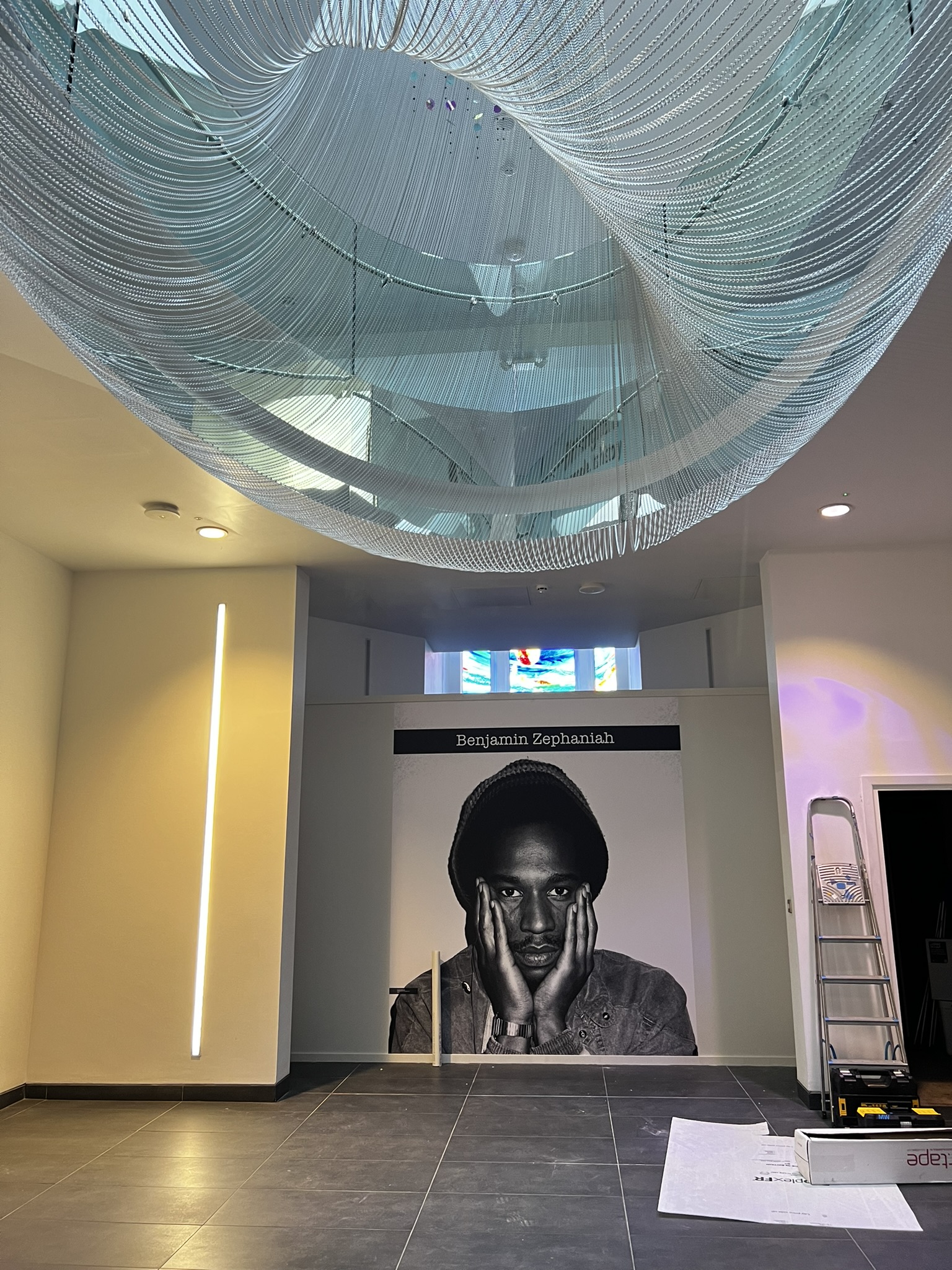
On October 4th, I was lucky enough to experience exactly that—a rare opportunity to wander through the spaces of the Birmingham Museum and Art Gallery (BMAG) just before they reopened their doors, led by the museum’s participation manager, Andrea Bonnell. This exclusive glimpse allowed me to witness how this monumental institution, after years of closure, is reopening in phases, carefully crafted to offer something for everyone and breathe life back into the heart of Birmingham.
BMAG has long been an essential part of the city’s cultural landscape since 1885. When the pandemic forced its closure the museum took this time to address essential structural and technical work, including much-needed electrical updates, which meant every artifact had to be removed from the building. Those too large to move were carefully boxed and covered. For Birmingham, this closure left a void, yet it was also a time for transformation.
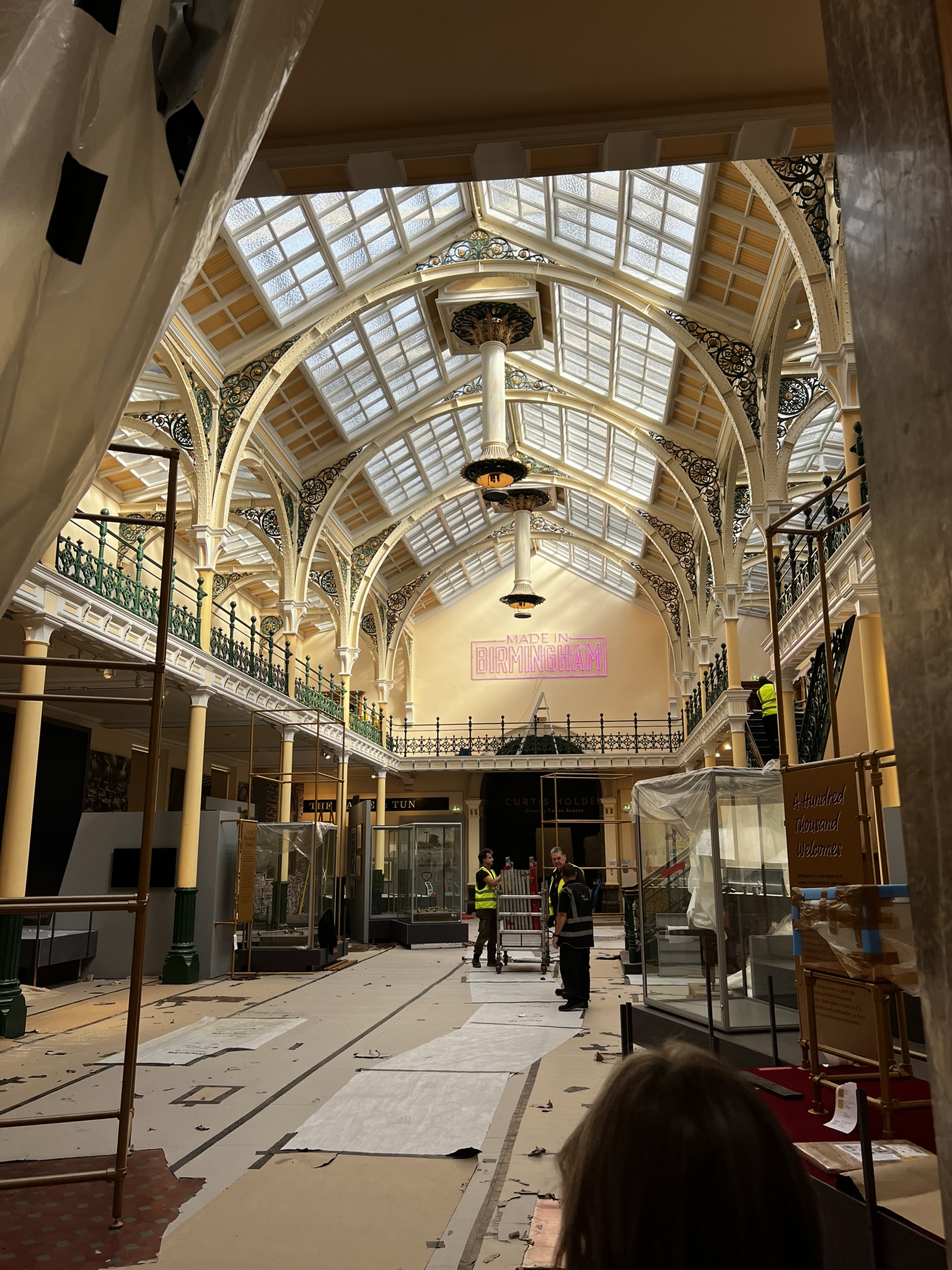
With the museum now reopening in stages, it’s a testament to the institution’s resilience, preservation, and innovation. Spaces like the iconic Round Room, the Industrial Gallery, the newly introduced family-focused Wild City, and the tech-savvy Pixel Studio are all welcoming the public back. Each of these spaces will bring Birmingham’s unique spirit to life.
In the Industrial Gallery, a fresh display titled Made in Birmingham showcases the city’s identity. The exhibition emphasizes Birmingham’s rich history and celebrates its cultural DNA, inspiring visitors to reflect on what it means to be “shaped by Birmingham.” Andrea explained the challenge of curating this particular gallery—a task made more daunting by its historical grandeur. The result, however, is a dynamic homage to the city, keeping its industrial past alive while making it relatable for today’s audiences. This gallery feels like a love letter to Birmingham, capturing the pride and spirit of its people in every exhibit.
One of the most exciting initiatives the museum has taken is the establishment of a Citizens’ Jury, which met for the first time on October 5th. This panel brings together a diverse group of Birmingham residents, some who may not typically like or visit museums, and were tasked with discussing what Birmingham wants and needs from its museum spaces, and how BMAG can best serve its communities. After a total of 30 hours deliberation, their recommendations will be made public, holding the museum accountable and ensuring that its direction reflects the interests of its people.
As an art history enthusiast, I’ve long admired BMAG’s unparalleled collection of Pre-Raphaelite paintings, and the thought of walking its halls was thrilling. Although I never had the chance to visit before its closure in 2020, entering this reimagined space was a magical experience. Seeing it empty yet brimming with potential felt surreal. There was a palpable sense of rebirth, a nod to a vibrant future for Birmingham’s art and culture.
The phased reopening of BMAG isn’t just a strategic move; it’s essential for its sustainability. With nearly a dozen new spaces being introduced in this stage, BMAG aims to tell the story of Birmingham’s complex, vibrant, and multicultural identity. This approach, though gradual, is financially practical and allows the museum to grow into an inclusive role that will serve the city and its future generations.
During the tour, I was captivated by the thoughtful design that goes beyond merely showcasing art. It felt immersive and interactive, bridging the gap between visitors and the art, and inviting us to linger, to question, and to connect. These revamped spaces are not just about seeing; they’re about experiencing the stories that define Birmingham’s cultural landscape.
The reopening is now underway as it opened it’s doors on the 24th October. Alongside their permanent collection they have three exhibitions on display; Curtis Holder: Drawing Carlos Acosta, Modern muse by Arpita Shah and Deviance and Difference. This reopening symbolizes BMAG’s commitment to remaining dynamic, shedding the notion of static exhibitions and instead embracing change. For locals and visitors alike, it’s an invitation to rediscover the city through art and heritage, and bring people together—just as all great museums should.

 Charlie Kirkham
Leave a comment